Assembly Books
I've shared a few times here how I have a fascination with old programming languages. Maybe it's my middle aged focus instead of a sports car. Either way, I've been reading two books about programming Assembly lately and I wanted to make a quick review of each. There's no real reason to learn Assembly these days, unless you're into making rom hacks or programming new games for old systems, but even then there are tools out there that are probably better suited. Still, this is fun for me so I'm going to continue down this path for a bit.
Classic Game Programming on the NES (Bookshop.org link)
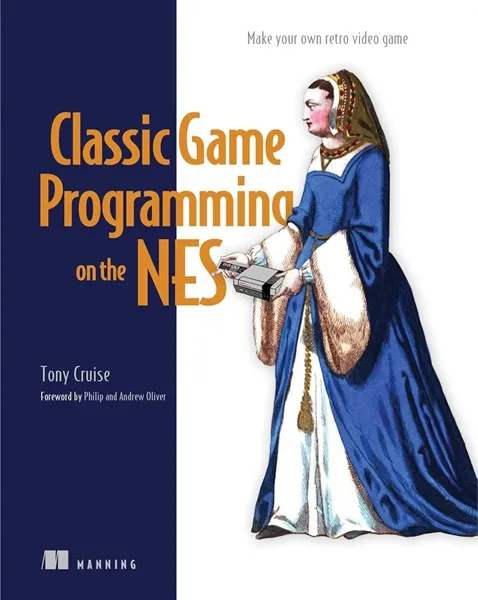
This is a really solid book. It's less of a textbook and more of a how-to. The first quarter is a deep dive into Assembly for the NES and if I had one complaint it would be that it goes a bit too quickly. I found myself needed to reread or consult YouTube videos to better understand a topic. However, the second 60% of the book is fantastic. It walks you through how to code a game for the NES, step by step, and includes everything from variables to loops to graphics and sound. By the end of the book, and with a bit of elbow grease, you should end with a fairly simple NES game that you can build on. The game itself isn't going to win any awards, and it's not as impressive graphically as later-NES games, but it's functional and fun.
Game Boy Coding Adventure (Bookshop.org link)
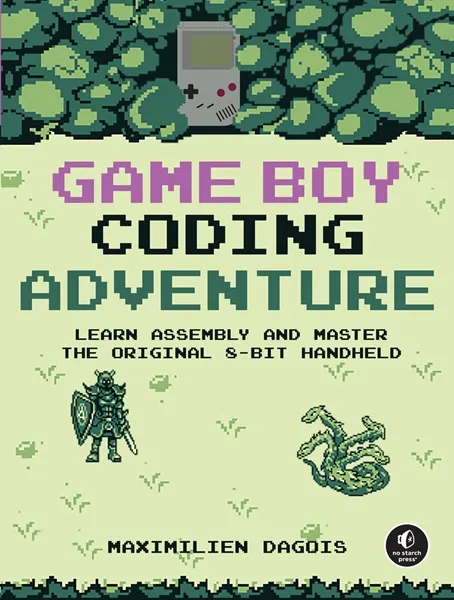
This is another solid book, but it is structured very differently than the first one. The first was more of a guide while this is more of a textbook. Upon finishing the book you won't end with a game that will work on the original DMG Game Boy. However, because it's not trying to walk you though a project, it can spend more time on explanations and theory. The intro to Assembly syntax in the first book felt a bit rushed. In this book the author spends more time on it. There are plenty of examples written in code that you can plug into your IDE of choice, so the opportunities for practice are still there. This also gets into code optimization, something the other book overlooked (which instructions to use to save precious ticks).
Overall these are both very solid books. If you're interested a more theoretical approach, the Game Boy Coding Adventure is a better place to start, but if you want to make games, or improve your NESMaker games, then Classic Game Programming on the NES is the way to go.